Use your own solar energy
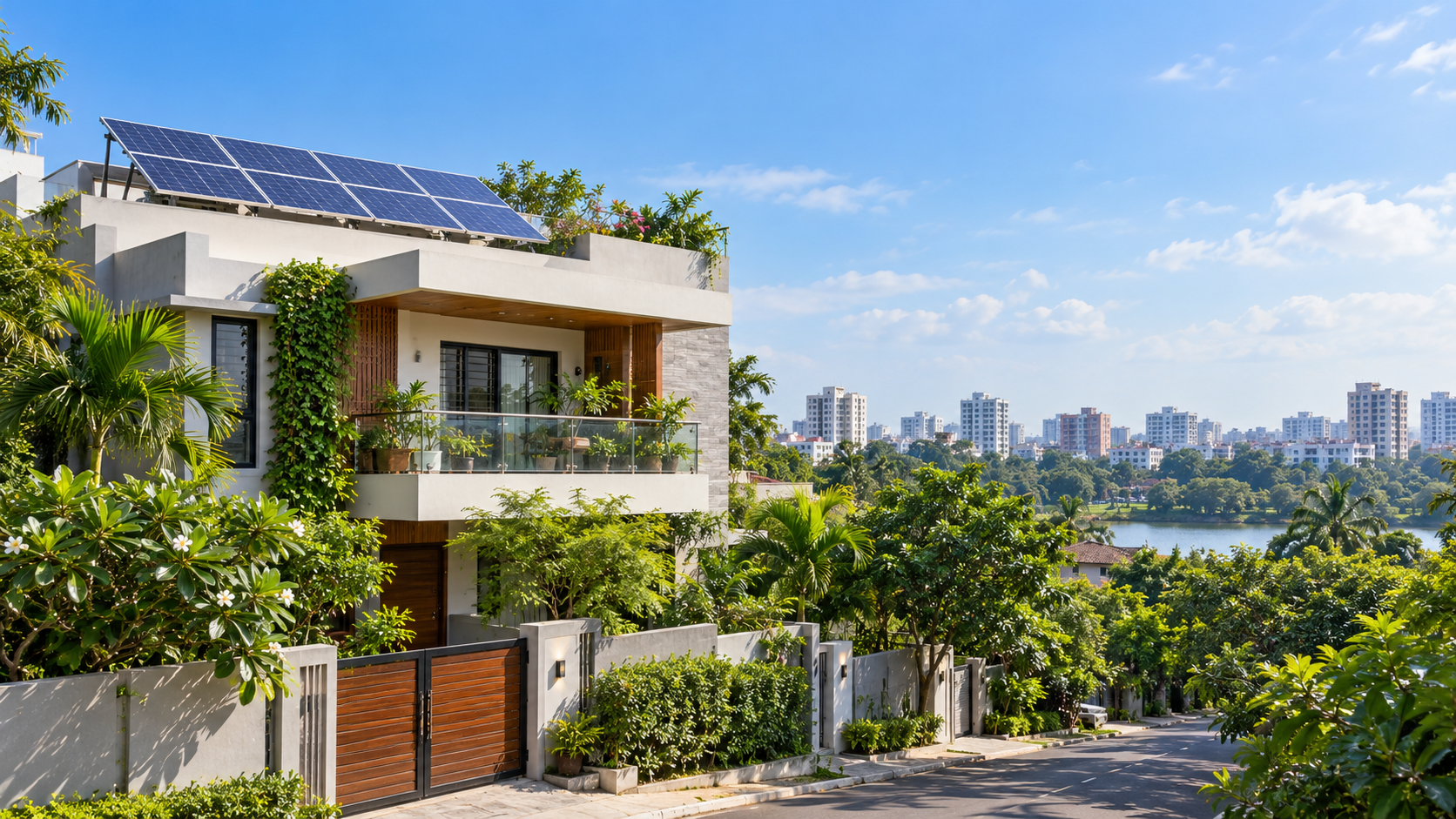
Power suitable daytime loads with electricity generated on your roof, reducing the amount you need to buy from the grid.
Make your home part of a brighter Bangladesh.
Explore a solar system designed around your electricity use, available roof space and plans for the future—with battery options when backup matters.
 ILLUSTRATIVE STOCK IMAGE
Solar is most useful when it matches your home’s real energy needs. Start with the benefits that matter to you.
Power suitable daytime loads with electricity generated on your roof, reducing the amount you need to buy from the grid.
Add a compatible battery and backup design to support selected appliances during outages. Standard grid-tied solar alone does not provide backup.
Discuss future appliances, changing household needs and possible battery additions before choosing equipment.
Choose an option below to understand what it offers. Final recommendations depend on a site assessment.
Choose around your usage,
not just your roof size.
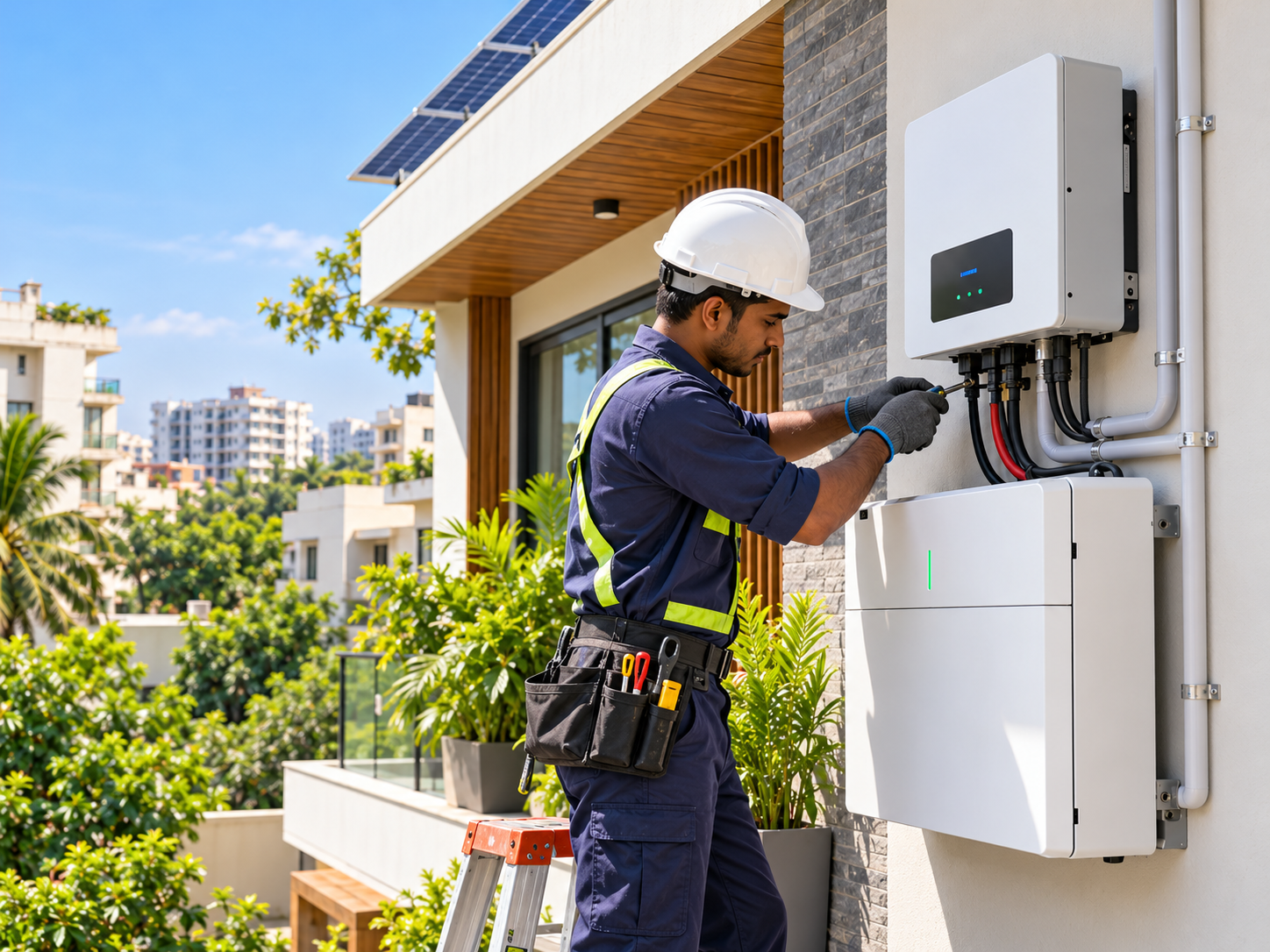
A grid-connected system converts sunlight into electricity for your home. The grid supplies the shortfall when solar generation is not enough.
 ILLUSTRATIVE STOCK IMAGE
Convert sunlight into DC electricity. Panel selection and layout depend on roof space, shading and the proposed system.
The inverter converts solar electricity for household use. Compatible monitoring helps you understand generation and system performance.
A suitable mounting arrangement, cabling, isolation and protective devices form part of the installation design.
Stores energy for later use. Backup needs compatible equipment and a clearly defined set of supported circuits.
Solar panels do not automatically keep your home running during an outage. Backup capability must be designed into the system.
*Starting power and appliance compatibility must be checked.
Usable battery energy affects runtime. Inverter power, appliance starting loads, battery charge and reserve settings affect what can run together.
Discuss my backup needs ↗A site assessment brings roof conditions, electrical requirements and your usage together.
Usable area, roof condition, structural suitability and secure mounting locations.
Nearby buildings, trees and rooftop obstacles that may reduce solar generation.
Safe installation access and approval from the property owner or building management where relevant.
Your distribution board, meter, cable routes and any required electrical upgrades.
Shared roof access, ownership arrangements and the building’s electrical setup need to be reviewed before a system can be proposed.
Understand each stage before moving ahead.
Share your electricity bills, property details and priorities.
Review roof conditions, shading, access and the electrical setup.
Review equipment, scope, pricing, assumptions and warranty terms.
Complete installation, testing and any required connection steps, then explain operation and support.
A useful starting point before your personalised assessment.
Cost depends on system size, equipment, roof conditions, electrical work and battery requirements. Ask for an itemised proposal that identifies inclusions, exclusions and any additional work.
Savings depend on solar output, daytime self-consumption, electricity tariffs and system costs. Any export benefit depends on an applicable utility arrangement. Estimates should clearly state assumptions and cannot guarantee future savings.
Panels can generate electricity in cloudy weather, but output is usually lower. Weather, shading, panel orientation and system condition all affect generation.
Possibly, but compatibility is not automatic. Discuss inverter capability, battery options, backup requirements and potential future installation work before choosing your initial system.
Monitor performance and follow manufacturer maintenance guidance. Use qualified professionals for roof access and electrical work. Review product, performance and installation warranty terms separately, including exclusions and how to request support.
Recent electricity bills, your city or area, approximate roof details and a list of important appliances are a helpful start. Tell us whether your priority is daytime generation, backup or both.
Tell us about your property, electricity use and what you want your system to do.
Images are illustrative stock photography, not completed Electrifying Bangladesh installations.